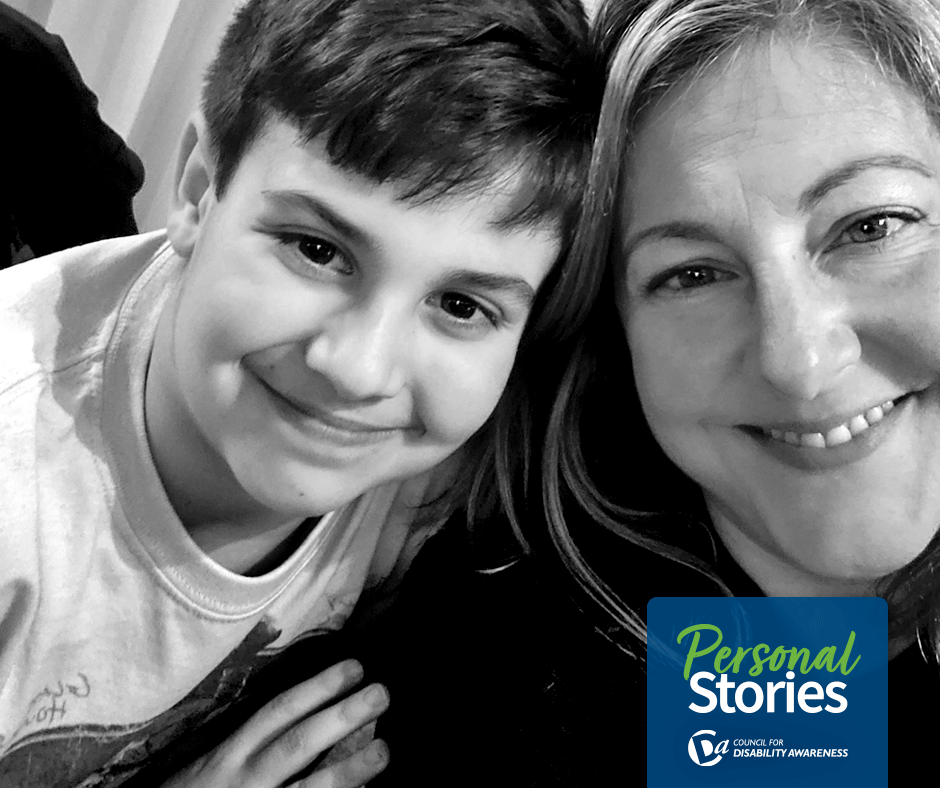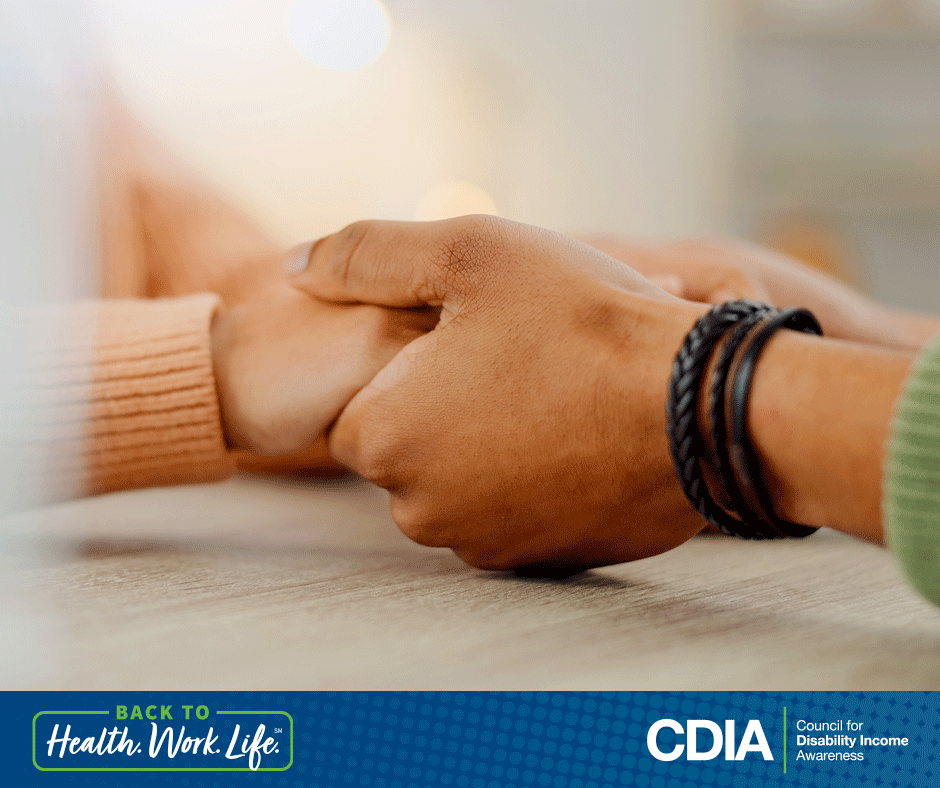

My mom needed a lung transplant. Our family nearly faced the unthinkable: cutting off financial support to someone we loved most, at the hardest moment of her life. Almost — because she had a plan. And that made all the difference.
What happened to us isn’t rare — it’s just rarely talked about. America’s financial foundation leans on advisors and insurance brokers, yet disability insurance remains the blind spot no one wants to face. Many people either have no coverage at all or depend on limited, employer-provided policies. It’s not that people don’t want protection; they just don’t think about it until a crisis hits — when it’s too late.
My mom had coverage when it mattered most. Without it, my parents would have spent down their retirement 10–15 years too soon. Those kinds of choices pressure families to rush through treatment, to heal on someone else’s timeline, just to keep the bills paid.
But instead, disability benefits gave my mom the time to breathe — literally and financially. She had the space to recover, the security to protect their retirement, and a second chance at life when death felt imminent. She never returned to work, but her plan worked exactly as intended.
The reality for most is much harsher. Let’s break it down — by health, by work, by life.
HEALTH.
Disability looks different for everyone: cancer, stroke, mental illness, addiction, transplants, spinal surgeries, traumatic brain injuries. The names differ, but the story is the same — time away from work, and bills that don’t wait.
According to the Consumer Bankruptcy Project, 78% of bankruptcy filers cite loss of income as a key factor. Combine that with the fact that 1 in 4 workers will experience a disability during their career, and the math becomes devastating: millions of Americans face financial collapse due to medical events.
That’s unacceptable when we already have a solution.
WORK.
Family businesses feel this weight even more. Owners pay themselves last, take care of their teams like family, and keep things steady through booms and busts alike. This “provider mindset” is what makes small businesses the backbone of our economy — but it also makes them vulnerable.
When an owner or key employee can’t work, two impossible questions arise:
- Is this a legitimate disability? Addiction, mental health episodes, or fluctuating conditions make that decision murky. No owner should have to play judge and jury in that moment.
- When do I cut this person off? Without a plan, that’s a gut-wrenching call — the heart wants to keep supporting someone in crisis, but the books might not allow it.
With disability insurance, those decisions don’t fall on your shoulders. The insurer determines eligibility, pays the benefit, and stabilizes both the business and the owner’s financial foundation.
Family businesses carry this burden most heavily because they’re built on loyalty and legacy. But legacy isn’t just about what you build — it’s about what survives.
LIFE.
Every disability claimant shares one wish: to get better and return to the life they knew — or something close to it.
Disability insurance isn’t just about paying bills. It’s about preserving the life you’ve built — your home, your family’s stability, your ability to heal without selling assets or going into debt. It lets families recover at a human pace, not a financial one.
For business owners, it means protecting the company without emptying personal reserves. For families, it means maintaining dignity and continuity — not starting from zero.
The question isn’t if you’ll face this kind of moment. It’s when.
Disability income protection is the bridge that keeps health, work, and life connected when everything else feels uncertain.
Today, five and a half years post-transplant — a miracle in itself — my mom continues to live a life defined by dignity. She’s able to live on her own terms. Her health and work may have changed, but her life remains stable because her plan held firm.
If you’re a financial advisor, you have a fiduciary duty to help clients prepare.
If you’re a business owner, you have a provider’s duty to protect your team and livelihood.
If you’re a parent or partner, you have a personal duty to protect the people you love.
Protection isn’t about pessimism — it’s about preparation. Because health, work, and life are intertwined. And disability insurance is what keeps them together when everything else falls apart.